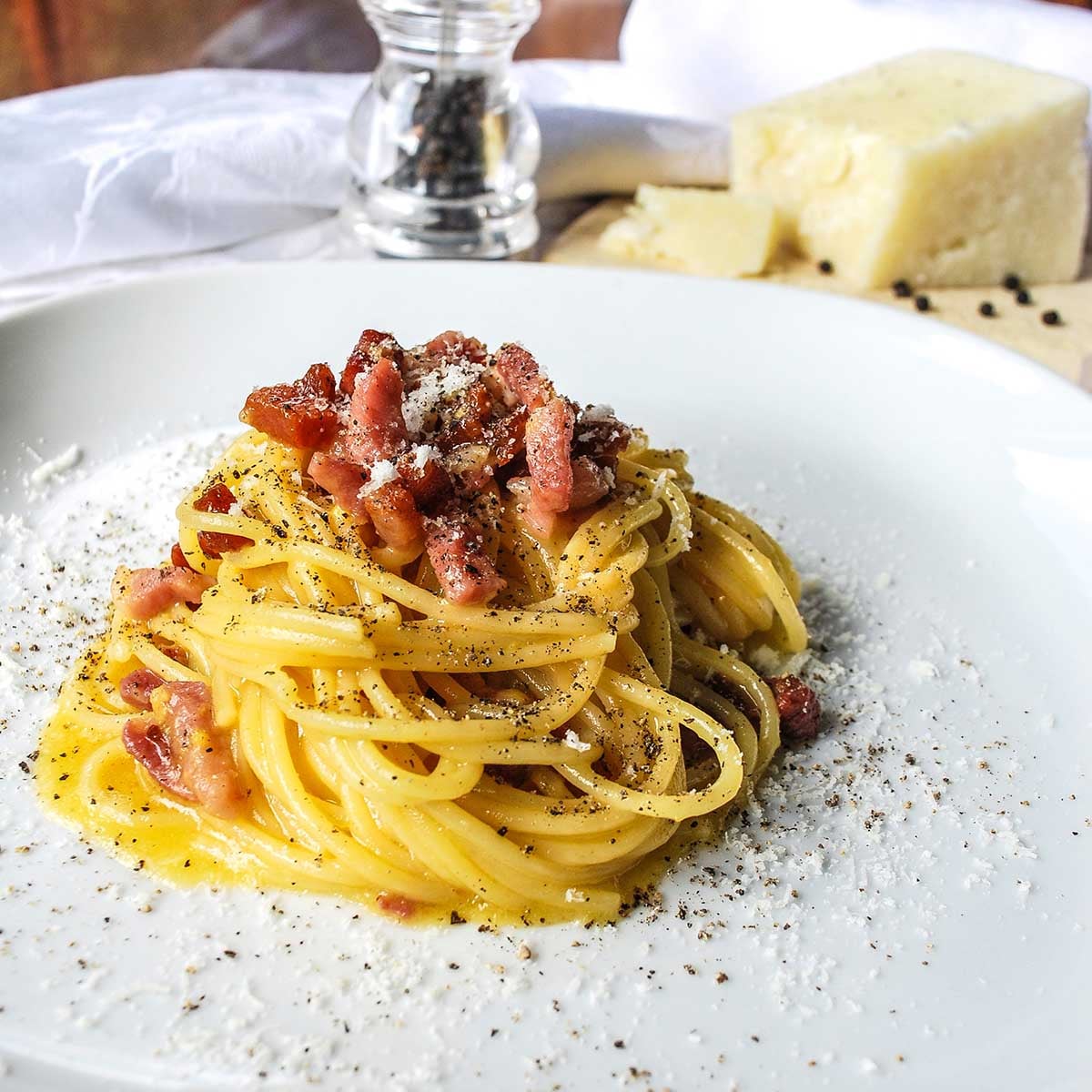
Carbonara Secrets: Why Guanciale & No Cream Make It Authentic
Few Italian pasta dishes capture the global imagination quite like spaghetti alla carbonara. Its reputation for rich, savory indulgence precedes it, yet for many outside of Italy, the true taste of this Roman masterpiece remains elusive. The reality is, what often passes for carbonara in many restaurants and home kitchens bears little resemblance to the authentic version. The secret to its profound depth of flavor and signature creamy texture lies not in a long list of ingredients or complex techniques, but in a precise philosophy: simplicity, quality, and strict adherence to tradition. At its heart, authentic carbonara is a celebration of just five core ingredients, where the star roles are unmistakably played by guanciale and the absolute absence of cream.
Considered one of the "four Roman pastas"—alongside Cacio e Pepe, Pasta alla Gricia, and Amatriciana—Carbonara stands as a testament to Rome's culinary ingenuity. It's a dish that, when made correctly, offers an unparalleled taste experience. But what exactly defines this authenticity, and why are certain ingredients like guanciale non-negotiable, while others like cream are deemed culinary cardinal sins?
The Cardinal Sins: Why Many Carbonaras Miss the Mark
The global popularity of spaghetti alla carbonara has, ironically, led to countless interpretations that stray far from its Roman roots. These deviations often introduce ingredients or methods that fundamentally alter the dish's character, transforming it into something heavier, less nuanced, and ultimately, less authentic.
The Cream Conundrum: A Culinary Crime
Perhaps the most prevalent and egregious offense against authentic carbonara is the addition of cream. Many believe cream is necessary to achieve the desired richness and silken texture, but this couldn't be further from the truth. An authentic carbonara derives its luxurious creaminess from the emulsification of egg, cheese, rendered pork fat, and starchy pasta water. Adding cream dilutes the intense, savory flavors that these original components create. It makes the sauce unnecessarily heavy and can even lead to a claggy texture that masks the delicate balance of the true dish. Once you taste a genuine carbonara, you'll understand why cream is not just unnecessary, but actively detrimental to its classic profile.
Bacon vs. Guanciale: The Fat of the Matter
Another common misstep is substituting bacon for guanciale. While bacon is a beloved cured pork product, it simply doesn't possess the unique qualities essential for authentic spaghetti alla carbonara. Guanciale, cured Italian pork jowl (cheek), is significantly fattier and boasts a more intense, complex flavor profile compared to pancetta (cured pork belly) or standard streaky bacon. This abundant, flavorful fat is absolutely crucial; it renders down beautifully, releasing an aromatic liquid gold that forms the foundation of the sauce. Without the distinctive richness and depth of guanciale, the carbonara sauce will lack the characteristic savory punch and luscious mouthfeel that defines the dish. The fat from guanciale is not merely a cooking medium; it's a fundamental flavor component.
Unnecessary Additions: Keeping It Pure
Beyond cream and incorrect pork, many recipes introduce other elements that completely disrupt the minimalist perfection of true carbonara. Onions, garlic, mushrooms, peas, or various herbs are often included, fundamentally altering the flavor profile. An authentic spaghetti alla carbonara is a symphony of just five core ingredients: pasta, guanciale, eggs, Pecorino Romano, and black pepper. Any additional ingredient, no matter how delicious on its own, detracts from the pure, focused flavors that make this dish so iconic. The beauty lies in its simplicity and the quality of its few, but potent, components.
The Quintessential Ingredients for True Carbonara
Having understood what to avoid, let's focus on the essential building blocks. The magic of spaghetti alla carbonara lies in a handful of high-quality ingredients, each playing a vital role in creating its unique character.
Guanciale: The Unsung Hero
As discussed, guanciale is not merely a preference; it's a requirement for authentic carbonara. This cured pork jowl offers a flavor that is both stronger and more nuanced than pancetta or bacon. Its abundant, silky fat renders down to create the flavorful base of the sauce, providing both richness and a distinctive savory depth. Look for it in Italian specialty stores or well-stocked delis, often sold in whole pieces or thick slices. Remember to trim off the thick skin layer before chopping it into small cubes or strips, as the skin is too tough to eat.
Eggs: The Heart of the Creaminess
The eggs are what bind the sauce, creating the desired creamy and glossy texture. While some recipes use whole eggs, many authentic preparations, particularly in Rome, prefer a higher proportion of egg yolks, or even yolks exclusively, for an even richer, more vibrant yellow sauce. The yolks contribute significantly to the emulsified consistency, reacting with the hot pasta and cheese to form the sauce without scrambling.
Pecorino Romano DOP: The Salty Tang
A hard, salty cheese made from sheep's milk, Pecorino Romano DOP is another indispensable component. Its sharp, tangy, and intensely savory flavor is a defining characteristic of spaghetti alla carbonara. The "DOP" (Denominazione d'Origine Protetta) ensures that the cheese is produced according to traditional methods in specific regions, guaranteeing its authenticity and quality. If Pecorino Romano is difficult to source, Parmigiano Reggiano can be used as a substitute, or a mixture of both, though the distinct flavor of Pecorino is ideal.
Freshly Ground Black Pepper: The Pungent Kick
Often referred to as the "fifth ingredient," freshly ground black pepper adds a crucial aromatic and piquant counterpoint to the richness of the pork and cheese. Grinding it fresh just before adding ensures maximum fragrance and flavor. The generous application of black pepper is essential to balancing the dish.
High-Quality Pasta: The Canvas
While spaghetti is traditional and gives the dish its name, other pasta shapes like Rigatoni or Mezze Maniche can also be used effectively, especially those with ridges or tubes that can hold the rich sauce well. The key is to use high-quality, bronze-die extruded pasta, which typically has a rougher surface that better grips the sauce. The starch released during cooking is also vital for the emulsification process.
Mastering the Art of the Carbonara Emulsion
Crafting authentic spaghetti alla carbonara isn't just about the right ingredients; it's about mastering a few key techniques, particularly concerning heat management, to achieve that perfect, glossy, unscrambled sauce.
The Delicate Dance of Heat
The most common fear when making carbonara is scrambling the eggs. The secret lies in using residual heat, not direct heat, to cook the egg mixture. After rendering the guanciale and cooking the pasta, it's crucial to remove the skillet containing the rendered fat from direct heat for a minute or two before adding the pasta. The pan should be warm, not scorching hot. When you combine the cooked pasta (which should be perfectly al dente), the egg-and-cheese mixture, and a splash of starchy pasta water, you must stir constantly and vigorously. This continuous motion, combined with the moderate heat, allows the eggs to gently thicken and emulsify, forming a creamy sauce that clings beautifully to the pasta without curdling or scrambling.
The starchy pasta water is your best friend here. It helps to loosen the sauce, create a smooth consistency, and bind everything together. Don't be shy about adding it a tablespoon at a time until you reach your desired creamy texture. The end result should be a glistening, velvety coating on every strand of pasta, a testament to proper technique and perfect emulsification. For a detailed, step-by-step guide to achieving this perfect creamy texture every time, don't miss our article: Perfect Carbonara Every Time: Tips for a Creamy, Unscrambled Sauce.
Step-by-Step Flow (Brief Overview)
- Render the cubed guanciale slowly in a dry skillet until crispy and golden, setting aside the crispy bits and leaving the rendered fat in the pan.
- Cook your chosen pasta in heavily salted water until al dente.
- While the pasta cooks, whisk together eggs (or yolks), grated Pecorino Romano, and a generous amount of freshly ground black pepper to form a thick paste.
- Drain the pasta, reserving plenty of starchy pasta water.
- Remove the skillet with the guanciale fat from the heat. Add the hot pasta directly to the skillet.
- Immediately pour in the egg-and-cheese mixture and begin to stir constantly and quickly, adding splashes of pasta water as needed, until a creamy, glossy sauce forms.
- Stir in the crispy guanciale bits.
- Serve immediately with an extra grating of Pecorino and black pepper.
Beyond the Plate: The Roman Legacy
Understanding the secrets of spaghetti alla carbonara is more than just learning a recipe; it's an appreciation of Roman culinary philosophy. It's about respecting tradition, valuing ingredient quality over quantity, and mastering simple techniques to achieve profound flavor. This dish, along with its siblings Cacio e Pepe, Pasta alla Gricia, and Amatriciana, embodies the essence of Roman cuisine: humble ingredients transformed into extraordinary meals through skill and a deep respect for their origins.
The insistence on guanciale and the absolute prohibition of cream are not arbitrary rules; they are the pillars upon which the authentic taste and texture of carbonara are built. They are what elevate this dish from a mere pasta meal to a culinary experience. If you're ready to truly embrace the Roman way and craft this dish from scratch, our guide, Unlock Authentic Carbonara: Master the Roman 5-Ingredient Recipe, provides an essential roadmap.
Conclusion
The journey to mastering authentic spaghetti alla carbonara is a rewarding one. It teaches patience, highlights the importance of quality ingredients, and demonstrates that culinary greatness often lies in elegant simplicity. By eschewing cream and embracing the robust flavor of guanciale, coupled with the proper technique for emulsifying eggs and cheese, you unlock the true, creamy, and undeniably savory taste that has captivated palates for generations. So, next time you crave carbonara, remember these secrets. Seek out the right ingredients, follow the traditional methods, and prepare to be transported to the heart of Rome with every glorious forkful.
