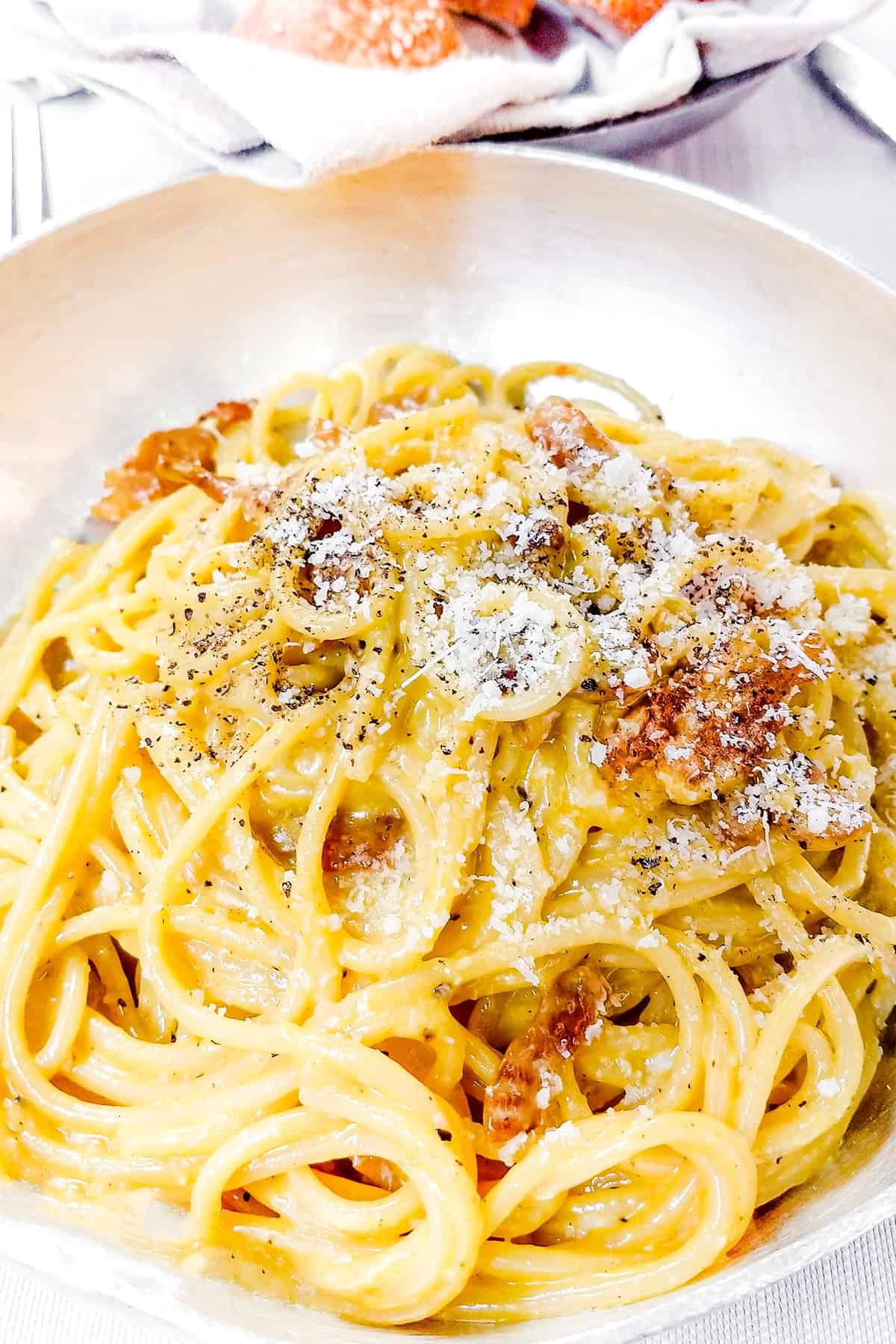
Perfect Carbonara Every Time: Tips for a Creamy, Unscrambled Sauce
There are few Italian pasta dishes as globally beloved and, paradoxically, as widely misunderstood as spaghetti alla carbonara. This iconic Roman creation, revered for its silky, rich sauce coating al dente pasta, often falls victim to misinterpretation outside its native Italy. Many home cooks and even restaurants mistakenly add cream, milk, or other extraneous ingredients, transforming a simple masterpiece into something far less authentic and truly decadent. But fear not, aspiring pasta chefs! Achieving that elusive, perfectly creamy, and unscrambled carbonara is not nearly as difficult as its reputation suggests. With a clear understanding of its core philosophy and a few crucial techniques, you can master this Roman classic and bring a taste of Italy right into your kitchen.
The Soul of Authentic Spaghetti alla Carbonara: Beyond the Basics
To truly appreciate spaghetti alla carbonara, one must first understand its origins and its place among the pantheon of Roman pasta dishes. Alongside Cacio e Pepe, Pasta alla Gricia, and Amatriciana, Carbonara stands as a testament to the power of a few high-quality ingredients harmoniously combined. The magic of an authentic carbonara lies in its minimalist approach, relying on the inherent richness and flavor of its components to create a sauce that is naturally emulsified and incredibly satisfying. This means stripping away common additions that, while perhaps well-intentioned, completely alter the dish's character.
The most egregious offender, and perhaps the most common misconception, is the addition of cream. An authentic spaghetti alla carbonara contains absolutely no cream. Its luscious texture is derived from the emulsion of egg, cheese, cured pork fat, and starchy pasta water. Adding cream dilutes the intense savory flavor, making the sauce heavy and often claggy. Similarly, bacon, a popular substitute in many regions, lacks the nuanced flavor and crucial fat content of its traditional counterpart. Onions, garlic, and various herbs also deviate from the Roman standard, introducing flavors that overwhelm rather than complement the dish's delicate balance. Once you taste the real thing, made with precision and purity, you'll understand why these omissions are not just traditional, but essential for superior flavor. For a deeper dive into these crucial distinctions, read our article: Carbonara Secrets: Why Guanciale & No Cream Make It Authentic.
The Quintessential Ingredients for a True Carbonara Masterpiece
The beauty of authentic spaghetti alla carbonara lies in its simplicity: a mere five ingredients. However, the quality of each ingredient is paramount. Skimping here will inevitably lead to a less-than-stellar result. Think of these as the building blocks of perfection:
- Guanciale: This is non-negotiable for an authentic taste. Guanciale is cured Italian pork jowl (cheek), distinct from pancetta (cured pork belly) and certainly from bacon. It boasts an unbelievably rich, complex flavor and a higher fat content that renders beautifully, providing the essential oil base for the sauce. This rendered fat is where much of the dish's magic happens. Remember to trim off the thick, tough skin layer before dicing.
- Eggs: The debate often centers on using whole eggs versus just yolks. Many traditional recipes, and certainly those aiming for maximum richness, opt for a higher ratio of yolks or even yolks exclusively. Yolks contribute a deeper golden hue and an incredibly luxurious mouthfeel. A common ratio is one whole egg plus two additional yolks per serving, but this can be adjusted to personal preference for richness.
- Pecorino Romano DOP: A hard, salty, tangy cheese made from sheep's milk, Pecorino Romano is another cornerstone of authentic Roman cuisine. Its pungent flavor is distinct and irreplaceable. Look for "DOP" (Denominazione d'Origine Protetta) to ensure genuine quality. If Pecorino Romano is difficult to source, a high-quality Parmigiano Reggiano can be used as a substitute, or a mix of both for a slightly milder profile, but it won't be quite the same authentic experience.
- Freshly Ground Black Pepper: Often overlooked, fresh black pepper is more than just a seasoning; it's a key flavor component. Its pungent aroma and subtle heat cut through the richness of the guanciale and cheese, adding complexity. Always grind your pepper just before adding it for maximum impact.
- Pasta: While spaghetti alla carbonara is the classic pairing, other sturdy pasta shapes like rigatoni or mezze maniche also work wonderfully, providing ample nooks and crannies for the sauce to cling to. The key is to use a good quality, bronze-die cut pasta that holds its shape and surface texture well, allowing the sauce to adhere perfectly.
To dive deeper into crafting this dish with these specific ingredients, explore our guide: Unlock Authentic Carbonara: Master the Roman 5-Ingredient Recipe.
Mastering the Carbonara Technique: The Creamy Sauce, No Scramble Guarantee
The true genius of spaghetti alla carbonara lies in its technique, specifically in creating that velvety, unscrambled sauce. It's all about heat management and emulsion. Don't be intimidated; it's simpler than you think!
The Golden Rules for a Perfect Emulsion:
- Render the Guanciale & Prep the Eggs:
- Dice the guanciale into small, even pieces. Place it in a cold skillet (non-stick or well-seasoned cast iron works best) and render it over medium-low heat. The goal is to slowly melt out the fat and crisp up the pork, not burn it. This process can take 10-15 minutes. Remove the crispy guanciale pieces from the pan and set aside, leaving all that glorious rendered fat in the skillet.
- While the guanciale renders, whisk your eggs (and/or yolks) with a generous amount of finely grated Pecorino Romano and plenty of freshly ground black pepper in a bowl. You want a thick, paste-like consistency.
- Cook the Pasta:
- Cook your pasta in heavily salted water until al dente. This means it still has a slight bite to it.
- Before draining, reserve at least 1-2 cups of the starchy pasta water. This water is vital for creating the sauce's creaminess.
- The Crucial Heat Management:
- This is the make-or-break step. About 1-2 minutes before your pasta is done, take the skillet with the rendered guanciale fat off the heat completely. It is absolutely essential that the pan is not burning hot when the egg mixture is introduced. Residual heat is your friend; direct, high heat is your enemy (it will scramble the eggs).
- Combine and Emulsify:
- Drain the pasta and immediately add it to the skillet with the guanciale fat (off the heat!). Toss well to coat the pasta.
- Immediately pour the egg and cheese mixture over the pasta. Work quickly and vigorously, tossing and stirring the pasta constantly. This continuous motion, combined with the residual heat of the pasta and the pan, gently cooks the eggs and prevents them from scrambling.
- As you mix, gradually add small splashes of the reserved hot pasta water. The starch in the water, combined with the fat and egg, will create a luxurious, glossy, and impossibly creamy sauce that clings beautifully to every strand of pasta. Add just enough water to achieve your desired consistency – a little at a time is key.
- Serve Immediately:
- Once the sauce is emulsified and creamy, stir in most of the crispy guanciale pieces.
- Serve immediately, garnished with the remaining crispy guanciale, extra Pecorino Romano, and another crack of fresh black pepper.
Troubleshooting Common Carbonara Pitfalls:
- Scrambled Eggs: Almost always due to too much direct heat. Ensure the pan is off the burner and has cooled slightly before adding eggs. Constant, vigorous tossing is also key.
- Too Dry: You likely didn't add enough pasta water, or the pasta sat too long before serving. Add a bit more hot pasta water, stirring vigorously, to loosen the sauce.
- Too Wet/Runny: Too much pasta water was added. Next time, add less, more gradually.
The end result should be a glistening, creamy sauce that coats the spaghetti without being soupy or thick like a cream-based sauce. It's a testament to simple ingredients transformed by precise technique into something truly extraordinary.
Conclusion
Mastering spaghetti alla carbonara is a rewarding culinary journey. By understanding and respecting its authentic roots, choosing high-quality ingredients, and diligently applying the correct heat management techniques, you can banish scrambled eggs and heavy cream from your carbonara forever. The true joy of this dish lies in its elegant simplicity and the harmonious interplay of a few powerful flavors. So, next time you crave that authentic taste of Rome, don't be afraid to take on this classic. Follow these tips, and you'll achieve a perfect, creamy, unscrambled carbonara every time. Buon appetito!
